
Microgaming online casinos in Australia: what 2026’s market actually allows, and what it does not
The question this page opens on is the wrong way around. Someone typing “microgaming casino australia” is asking which offshore brand will let them play; the answer to give first is the one that decides whether any shortlist is honest at all. Under the Interactive Gambling Act 2001, no operator anywhere in the world may offer online casino games, online pokies or in-play betting to a person physically in Australia. No state or territory licence covers it. The Australian Communications and Media Authority enforces that prohibition by directing internet service providers to block sites and by publishing formal warnings naming the operators behind them.
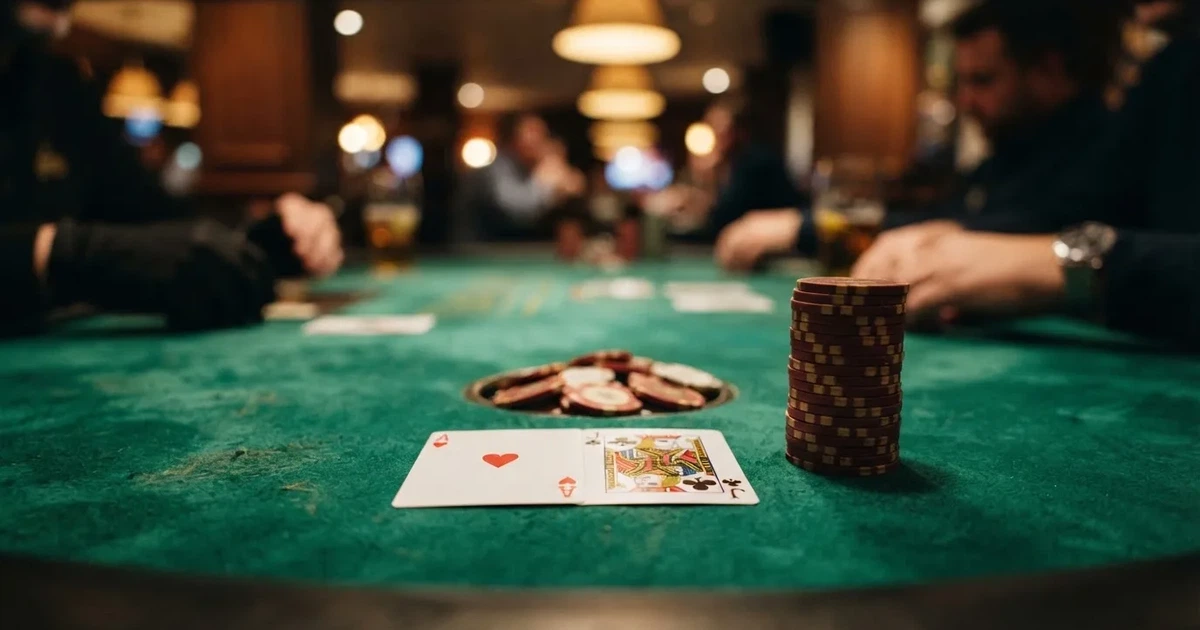
What follows is not a recommended shortlist and not a ranking. It is a record of what is actually true for an Australian reader in 2026: the enforcement record against Microgaming-powered offshore brands, the lawful alternatives, and the financial and personal costs the offshore route carries. The arithmetic at the centre of the page is the ACMA’s blocking rate across the seven years since the first block went in — a measure of how fast the prohibited offer in this market is actually being removed.
Currency and enforcement data current as of 7 November 2026, cross-checked against the Australian Communications and Media Authority’s formal-warning register and blocking-request publications.
Table of Contents
- What a Microgaming casino really is, and why the question runs into a wall
- Responsible play: what actually applies when the offer is prohibited
- How money moves on the prohibited offer, and where it goes wrong
- What an “online casino bonus” costs the player, before the marketing lands
- Mobile: the smaller screen, the same prohibition
- Specific games: the catalogue, and where the live play actually sits
- The ACMA’s record against Microgaming-powered brands: the data behind the prohibition
- Brand-by-brand: what the ACMA’s record says about each
- How fast the prohibition is being enforced: the blocking rate, 2019 to 2026
- The lawful alternative: licensed wagering, land-based pokies, and the consumer protection that comes with them
- What enforcement looks like in practice
- The 2026 reform, and what it does and does not change
- What this means for the reader in plain language
- Microgaming-powered online casinos: what to ask before trusting a site that claims one
- Frequently asked questions
What a Microgaming casino really is, and why the question runs into a wall
Microgaming is a software supplier, not a casino. The Isle of Man-based company is credited with shipping the first fully functional online gambling software in 1994, secured through technology from CryptoLogic, and its first casino brand, Gaming Club, opened that same year from Durban. In 1998 it released Cash Splash, widely described as the world’s first online progressive-jackpot slot. The name on a site’s footer that reads “Powered by Microgaming” identifies the game library and the random-number generator behind it; it does not name a casino, a licence, or a legal entity the player can take a complaint to.

The reason the Australian reader’s search runs into a wall is that Microgaming-powered casino games — pokies, blackjack, roulette, live tables — are the specific product the Interactive Gambling Act 2001 prohibits offering to anyone in Australia. The licence a site displays is invariably from somewhere else: Curaçao, Malta, Anjouan, the Isle of Man itself. None of those extend Australian consumer protection to a player sitting in Sydney or Perth. What the player is buying, when the deposit is made, is access to an unregulated product on a domain that can be blocked at the Australian end with a balance still sitting on it.
This is the seam every other shelf on the page breaks against. Bonuses, payout times, mobile apps, even specific games — each of those describes what an offshore operator offers. Each of them also describes something an Australian cannot lawfully be sold.
Responsible play: what actually applies when the offer is prohibited
The strongest responsible-gambling tools in this country are built around the licensed market. BetStop, the National Self-Exclusion Register, has been live since August 2023 and binds every Australian-licensed online and phone wagering service — sportsbooks, racing operators, the licensed bookmakers regulated by the Northern Territory Racing and Wagering Commission. A self-exclusion registered today takes effect across that licensed set inside hours.
BetStop does not bind an offshore casino. A player who has self-excluded can still open an account at a Curaçao-licensed site running Microgaming pokies, deposit in crypto, and play. The exclusion applies to the licensed market; the offshore market is, in this specific sense, untouched by it. That gap is not a footnote to responsible gambling in Australia — it is the operational meaning of the law’s prohibition. The licensed product is the one a regulator can monitor; the prohibited one is the one the player is on their own with.
The National Gambling Helpline on 1800 858 858 runs free, 24/7, with web chat at Gambling Help Online. Counselling and financial counselling are reachable through the same channel. These services are open to anyone in Australia, including people who have been playing offshore. The points where a player should reach out are the ones that look like ordinary financial friction elsewhere: a deposit chased to recover a loss, a session that runs longer than the player meant, a withdrawal refused and re-deposited to “clear” a held balance. The prohibition on the offer does not remove the harm the offer does — it removes the regulator’s reach over the harm.
How money moves on the prohibited offer, and where it goes wrong
A reader who lands on a Microgaming-powered site from Australia is paying through one of a small handful of rails. The IGA’s payment ban, in force since 11 June 2024, blocks credit cards, credit-related products and digital currency as a payment method at any Australian-licensed wagering service — penalties for an operator accepting them run to A$247,500. The ban does not reach the offshore site, which is precisely how the offshore site gets paid: by credit card and by crypto, two rails the licensed market cannot use.
A deposit by debit card or PayID or bank transfer routes through the player’s own bank and the bank’s own chargeback machinery; a chargeback on a refused withdrawal is at least a process the player can start, with the bank’s fraud team rather than the casino’s compliance team. A deposit by Bitcoin or USDT routes outside that machinery, and once the on-chain transfer has cleared, the casino is the only party that can move the funds back. There is no Australian complaints body that has jurisdiction over an offshore operator, no external dispute resolution service that the operator is bound to honour, and no ombudsman. The site’s own terms and conditions are the contract.
Payout times on offshore Microgaming sites are advertised in hours and delivered in days, often longer, with verification steps inserted between the request and the transfer. Where the licensed market in Australia has a known complaint path, the offshore market has the operator’s word. The repeated pattern, in the ACMA’s formal warnings, is the operator eventually disappearing behind a new domain — a rebrand that leaves the original balance behind it.
What an “online casino bonus” costs the player, before the marketing lands
A Microgaming-powered welcome package will read like a tax refund. A 100% match up to a stated cap, plus a tranche of free spins on a named slot, with the whole package wrapped in a “wagering requirement” of some multiple of the bonus amount. The marketing word for this is “bonus”; the mechanism is that the bonus funds are not yours until they have been wagered the specified number of times, and only the residual after the wagering clears can be withdrawn.
The cost in plain prose. If the bonus is A$500 and the wagering requirement is 40× the bonus, the required turnover is A$20,000 before any of the bonus funds are real money. At a slot stake of A$1 per spin, that is 20,000 spins. A typical spin of a Microgaming pokie resolves in roughly five seconds, so 20,000 spins is about 27.8 hours of continuous play. The expected loss over those 20,000 spins at a slot RTP of, say, 96% is 4% of the turnover, or A$800. The player who expected a A$500 bonus has paid A$800 in expectation to clear it, on top of the deposit the bonus was attached to.
A free-spin tranche is read the same way. One hundred free spins at A$0.20 each is A$20 of nominal stake, and the expected loss over those spins at 96% RTP is roughly A$0.80 — small in cash, real in expectation. The marketing word for free spins is “free”; the wagering requirement on the winnings, if any, is what costs the player.
The two prices sit in different places. The turnover cost is in time and in the house edge met across that time; the deposit is the smaller of the two numbers by the time the bonus clears. That is the mechanism, in plain terms, and it is the mechanism the page returns to whenever the marketing tries to dress it up.
Mobile: the smaller screen, the same prohibition
The mobile experience of a Microgaming-powered casino is, in mechanical terms, the same product: HTML5 games running in a phone browser, a deposit screen, a games lobby, a cashier. The HTML5 build is what allows the same game library to load on a phone without a separate download, and most providers in this space ship mobile-first now — 1spin4win, for instance, builds in HTML5 specifically for low-bandwidth connections.
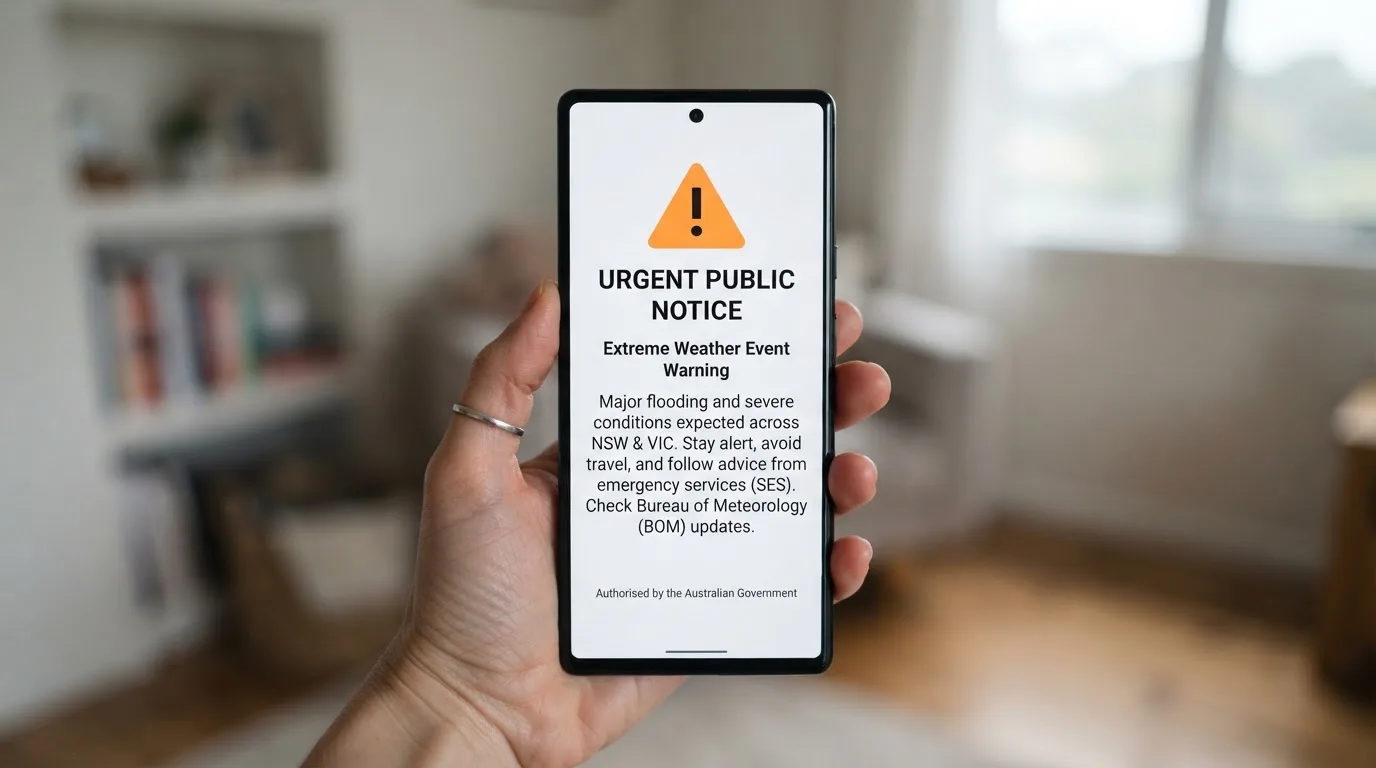
A reader in Australia who opens a Microgaming site on a phone is reaching the same prohibited offer through a smaller screen. The operator does not need to install an app on the phone; the browser is the app. The Australian end of the connection, the ISP the request routes through, is the same ISP the ACMA has directed to block the site if the site is on the block list. A site that was reachable on a laptop at home is reachable on a phone on the train; a site that has been blocked has been blocked across the customer’s access, not just across the device.
Some operators in this market publish downloadable apps. Those apps distribute the same game library under the same terms, and the prohibition in the IGA covers the offer to the player, not the channel. An app on an Australian phone is not a defence against the offer being prohibited.
Specific games: the catalogue, and where the live play actually sits
Microgaming’s slot catalogue is the largest single legacy in online casino software, built across more than three decades. The progressive-jackpot network in particular carries some of the largest prizes recorded in online play — Mega Moolah and its successors have paid out multi-million-euro jackpots, and the network is the reason the supplier’s name still carries weight in marketing.
The titles themselves. Cash Splash, from 1998, was the first online progressive jackpot slot; the network around it now includes Mega Moolah and its variants. Good Girl Bad Girl 2, a Betsoft slot, has a published RTP of 96.22% with “Very High” volatility and a 15.59% hit rate on a 5-reel, 20-payline layout; The Slotfather, a 2012 Betsoft release, runs at 95.69% RTP with “Medium” volatility and an 8.17% hit rate on 5 reels and 30 paylines. These figures are published by the developers themselves and are not audited by an Australian regulator.
What the catalogue tells a reader in Australia is where the live Microgaming product actually sits. Aristocrat Leisure, the Australian gambling-machine manufacturer founded in 1953 and listed on the ASX in 1996, has its regulated online real-money arm in Aristocrat Interactive, formed in April 2024 from its Anaxi unit and the NeoGames group — including Aspire Global, BtoBet and Pariplay. Aristocrat’s pokies are the ones on the floor of Australian licensed venues; its online arm operates in regulated overseas markets, not in Australia, because the prohibition cuts the same way for an Australian-headquartered supplier as for any other.
A reader comparing two offshore brands on game library is comparing two ways of offering a prohibited product. The catalogue is real; the offer of it to an Australian is the part that the IGA stops.
The ACMA’s record against Microgaming-powered brands: the data behind the prohibition
The Australian Communications and Media Authority is the regulator that does the work in this market, and the formal-warning register is the public face of that work. The register names an operator, a brand, and a date for each warning. Eleven brands in this write-up have appeared on that register for offering prohibited online casino games to Australians; the table below sets them out.
| Brand | ACMA action and date | Operator named by the ACMA | Subject support |
|---|---|---|---|
| RocketPlay | Formal warning, March 2026 (earlier May 2022) | Pulsup Ltd; earlier Dama N.V. | — |
| Level Up Casino | Formal warning, May 2022 | Dama N.V. | listed at Wazdan among partner casinos |
| Woo Casino | Formal warning, March 2025 | Dama N.V. | — |
| Spirit Casino | Formal warning, May 2025 | Dama N.V. | — |
| National Casino | Formal warning, July 2025 | Consolutetish S.R.L. | listed at Betsoft and Pragmatic Play among partner casinos |
| Bizzo Casino | Formal warning, July 2025 (earlier 2022) | Consolutetish S.R.L.; earlier TechSolutions | — |
| Ignition Casino | Formal warning, July 2025 | Bamboo Media | — |
| Instant Casino | Formal warning, February 2025 | EOD Code SRL | — |
| Jackbit | Formal warning, April 2026 | Ryker B.V. | — |
| Casino Intense | Formal warning, April 2025 | Sterplay Holding Ltd | listed at 1spin4win, Gambling Commission register, Wikipedia |
| Sky Crown | Formal warning, September 2022 | Hollycorn N.V. | — |
Two of the brands above — Level Up Casino and National Casino — appear on the websites of their game suppliers as partner casinos. Wazdan’s site lists Level Up among its operators; Betsoft and Pragmatic Play both list National Casino. The listing is a commercial relationship between the supplier and the operator; it is not an endorsement of the operator’s legality in Australia. The ACMA’s formal-warning register and the supplier’s partner list can both be true at once, because the supplier is selling to the operator globally and the regulator is acting on the offer to Australians specifically.
A further note on the data. Several of these operators appear in the ACMA’s register twice, under different corporate parents, because offshore operators rebrand and migrate their brands. Dama N.V. takes six warnings across this set alone (Bambet, Dazard, Level Up, Rocketplay, Wild Tornado and Cobra Casinos warned in May 2022, then Woo in March 2025 and Spirit in May 2025). Consolutetish S.R.L. took a warning over National Casino and Bizzo Casino in July 2025, the latter having already been warned in 2022 under TechSolutions (CY) Group Limited and TechSolutions Group N.V. The pattern of the data is the point: enforcement against one corporate entity does not end the brand.
Brand-by-brand: what the ACMA’s record says about each
The eleven brands above are listed in the same order the ACMA’s own action against them sets out — most recent first for the names that recur, oldest first within a single warning — because that is the only ordering that lets the table read as a record rather than as a ranking. Each entry below takes one brand, names the operator behind it, and states the verdict the ACMA’s action delivers. None of these entries recommends the brand to a reader; each one tells the reader what the regulator has already said about it.
RocketPlay
Pulsup Ltd was issued a formal ACMA warning in March 2026 over Rocketplay.com.au; an earlier Dama N.V. warning in May 2022 also named Rocketplay among six casino brands. The ACMA acted under the Interactive Gambling Act 2001, the legal basis for every entry on this page. The brand has migrated corporate parent since the first warning, which is the regulatory pattern offshore operators follow when their first entity is named. In sum: the regulator has twice issued formal warnings against this brand.
Level Up Casino
Dama N.V. took a formal ACMA warning in May 2022 that named Level Up among six casino brands, alongside Bambet, Dazard, Rocketplay, Wild Tornado and Cobra Casinos. Level Up appears on Wazdan’s site as a partner casino, which is a commercial relationship between the supplier and the operator and not a legal status. The IGA prohibition applies to the offer of online casino games to Australians regardless of which supplier the site uses. The verdict here is the same as RocketPlay’s, and it is also the same shape: an operator that has already been the subject of a formal warning, on a market the regulator has been clearing for years.
Woo Casino
A formal ACMA warning was issued in March 2025 to Dama N.V. over Woo Casino. The warning sits under the same Interactive Gambling Act 2001 provision as the other entries on the page. The brand has not been re-warned under a new entity as of the ACMA’s most recent publication; the regulator’s action stands as an official statement that this offer is prohibited in Australia.
Spirit Casino
A formal ACMA warning was issued in May 2025 to Dama N.V. over Spirit Casino. The warning is one of the Dama N.V. family of warnings — May 2022 over six brands, March 2025 over Woo, May 2025 over Spirit — and the regulator’s pattern across the family is consistent. The verdict is the same as Woo’s: a brand the ACMA has named under the IGA’s prohibition.
National Casino
Consolutetish S.R.L. was issued a formal ACMA warning in July 2025 over National Casino. The brand appears on both Betsoft’s and Pragmatic Play’s sites among partner casinos; the ACMA’s action does not contradict that listing, because the commercial relationship is global and the regulatory action is Australian-specific. This entry serves as a record that the operator has been named for offering prohibited online casino games here.
Bizzo Casino
Consolutetish S.R.L. was issued a formal ACMA warning in July 2025 over Bizzo Casino, the second time the brand has been warned — TechSolutions (CY) Group Limited and TechSolutions Group N.V. took a formal warning over Bizzo Casino in 2022. A brand that has been warned twice under two different corporate parents is the cleanest example on this page of what the regulator’s enforcement looks like when the operator rebrands rather than exits. The verdict: a brand that has been told twice that the offer is prohibited, and that is still being offered.
Ignition Casino
A formal ACMA warning was issued in July 2025 to Bamboo Media over Ignition Casino. The brand’s history with the regulator is marked by this single warning, which highlights that the offer of these services to Australians remains prohibited.
Instant Casino
A formal ACMA warning was issued in February 2025 to EOD Code SRL over Instant Casino. This entry is a direct consequence of the regulator’s formal assessment of the brand’s activity in this market.
Jackbit
Ryker B.V. was issued a formal ACMA warning in April 2026 over Jackbit, alongside a warning over CasinOK on the same date. The brand’s presence on the ACMA register dates to this specific investigation. Under the IGA, this is a prohibited offer for Australian players.
Casino Intense
Sterplay Holding Ltd was issued a formal ACMA warning in April 2025 over Casino Intense. The brand appears on the 1spin4win site among partner casinos, is mentioned in Wikipedia’s coverage of the operator space, and appears on the United Kingdom Gambling Commission’s public register — the Gambling Commission listing is for the UK market, not Australia, and the ACMA’s action is specific to Australia. This site is a case study in why a brand can be fully compliant in one market while appearing on a regulator’s block list in another.
Sky Crown
Hollycorn N.V. was issued a formal ACMA warning, published in September 2022, over its Sky Crown and Blue Leo casino services. This action by the regulator places the brand among those explicitly warned against offering prohibited games to Australians.
How fast the prohibition is being enforced: the blocking rate, 2019 to 2026
The arithmetic at the centre of this page is the ACMA’s blocking rate across the seven years since the first blocking request in November 2019. As reported in June 2026, the ACMA has asked Australian ISPs to block 1,751 illegal gambling and affiliate marketing websites since that first request, and more than 230 unlicensed gambling services have left the Australian market since enforcement was strengthened in 2017.
The blocking rate is not a single number. It is a band defined by two limits. At the lower end, dividing the 1,751 blocked sites across the roughly 79 months from November 2019 to June 2026 gives an average of about 22 blocked sites per month — the rate the enforcement programme has run at across its full history, including its slower early years. At the upper end, the most recent round alone, reported on 26 June 2026, asked ISPs to block 12 more sites — 7Signs, ChromaBet, Donbet, Duospin, Freshbet, Slots Gem, Jacks Club, Lucky Start, Pointsbetz.com, Spinrise, Vinyl Casino and Wildsino — a single batch that runs ahead of the long-run monthly average.
The condition on the band. The 22-per-month figure is the long-run average; the 12-per-round figure is the most recent data point. The programme has not run at a single rate throughout its life, and the most recent batch is a lower number than the long-run average would predict. A reader who treats 22 per month as the rate to expect over the next year will overestimate the pace; a reader who treats 12 per round as a new normal will underestimate the catch-up a quieter quarter delivers. The honest reading is that the ACMA is removing sites faster than the offshore market is replacing them, on the long-run trend, with a slow month and a fast month both still inside the same enforcement regime.
What that means for a reader. The block is the operational mechanism by which the prohibition lands. A site on the block list is unreachable at the Australian end for the customers of complying ISPs; a site that has been warned but not yet blocked is reachable today and may not be tomorrow. The blocking rate is the regulator’s pace at turning a formal warning into an unreachable domain, and the long-run trend is that the pace is ahead of the offshore market’s rebranding cycle — though never by enough that a reader should treat the regulator as a substitute for their own caution.
The lawful alternative: licensed wagering, land-based pokies, and the consumer protection that comes with them
What is licensed in Australia is narrow, and the narrowness is the point. Online and phone wagering on racing and on sport before the event is licensed; lotteries and keno are licensed; in-play betting online is not. The licensed bookmakers — Sportsbet, Bet365, Ladbrokes among them — are regulated by the Northern Territory Racing and Wagering Commission, which licenses 52 of them in the Territory for tax reasons. The NTRWC has no full-time staff and meets once a month in Darwin, which is a small story about the regulator’s resources and not about the licence’s standing.
The licensed online product carries the consumer protection the offshore one does not. BetStop self-exclusion binds every licensed wagering service; a complaint can be taken to the regulator; a payment dispute is mediated in Australian law. The minimum age is 18. A deposit by credit card or crypto is refused, because the IGA’s payment ban applies to the licensed market; a deposit by debit card, bank transfer, PayID or BPAY is the route the licensed operator accepts.
Land-based casinos and licensed pokies venues are the in-person equivalent. Aristocrat Leisure, the Australian-headquartered slot manufacturer whose pokies sit in those venues, was founded in 1953 and reported 2025 revenue of A$6.30 billion against normalised net profit after tax and amortisation of A$1.55 billion, with 7,400 employees. The venues carry the same minimum-age and self-exclusion regimes as the licensed online operators; the venue’s gaming-room staff can ask a player to leave under the venue’s responsible-gambling conduct rules. The product is the same class — pokies, tables — under the same jurisdiction.
What is not licensed is the offshore product the ACMA’s register is built around. The reader who wants the licensed experience has the licensed routes; the reader who wants the prohibited one has the names the ACMA has published, and the consequence of being caught on the wrong side of an Australian ISP.
What enforcement looks like in practice
The ACMA’s enforcement work runs on three tracks. First, formal warnings published on the regulator’s website, naming the operator and the brand — the register the table above draws on. Second, blocking requests directed at Australian ISPs, which the regulator publishes in batches — the 26 June 2026 batch named above is the most recent. Third, investigations that lead to civil penalties under the Interactive Gambling Act 2001, which can run into the millions for the most serious breaches.
A reader sitting in Australia who lands on a site the ACMA has blocked will see the block notice at the ISP’s end. The site is still up; the player is just unable to reach it from a complying Australian connection. A reader who has reached a site the ACMA has warned but not blocked has reached a site that is, by the regulator’s own assessment, offering a prohibited service.
The H2 Gambling Capital 2025 estimate is that Australians lose about A$3.9 billion a year to illegal gambling sites, and that the share of gambling going through legal channels fell from 74% in 2021 to 64% over the period to 2025. The figure is a market estimate and not a regulator’s measurement; it is the scale of the prohibited offer that the ACMA’s enforcement work is set against.
The 2026 reform, and what it does and does not change
The Interactive Gambling Amendment (Gambling Reform) Bill 2026 passed Parliament on 19 August 2026. Its advertising and inducement measures commence on 1 January 2027 — a year-and-a-bit-out date that the ACMA and the licensed operators are now preparing for. On a page read in 2026, the reform is law with a future commencement date, not yet in force. The prohibition on the offer itself is unchanged; the reform tightens the advertising rules around the licensed market, not the offshore one.
A reader who is reading this after 1 January 2027 will see the inducement rules in force. The prohibitions on the offer, the ACMA’s enforcement powers, and BetStop’s binding on the licensed market are not changed by the reform.
What this means for the reader in plain language
A reader in Australia who wants to play Microgaming pokies or table games online has three honest options. First, the licensed Australian wagering market — sports and racing before the event, lotteries, keno — with BetStop binding, the IGA’s payment ban enforced, and a regulator reachable on a complaint. Second, a land-based casino or licensed pokies venue, with the same protections and the same minimum age of 18, in person. Third, an offshore Microgaming-powered site, with the consequence that the offer is prohibited, that the operator has been named on the ACMA’s register for offering it, that the site can be blocked at the ISP end, and that there is no Australian complaints body with jurisdiction over a refused withdrawal.
The third option is the one this page’s research has been about, because that is the option the ACMA’s record names. The first two options are the lawful ones. A reader making the choice is choosing between a regulated product with consumer protection and an unregulated product with none; the arithmetic at the centre of this page, the blocking rate, is the regulator’s pace at removing the third option from the Australian end of the connection.
Microgaming-powered online casinos: what to ask before trusting a site that claims one
A site that displays a Microgaming footer is making a claim about its software supplier; the supplier’s name on the footer is the smallest fact a reader can verify. The site on this site — whether it is licensed for the reader’s jurisdiction, whether the regulator has acted against it, whether the operator has rebranded away from a prior warning — is the larger one. The ACMA’s register is searchable; the operator named in a formal warning is a public record; the date of the warning is the date the regulator’s own assessment was published. None of this is a reader’s own finding — it is the regulator’s, on the regulator’s own site.
Frequently asked questions
What kind of games does Microgaming make?
Microgaming is a software supplier, not a casino. It builds slot games including progressive-jackpot networks, table games and live-dealer products, and licenses that catalogue to online casino brands. The first fully functional online gambling software is credited to Microgaming, working with CryptoLogic’s security technology, in 1994; the first online progressive-jackpot slot was Microgaming’s Cash Splash in 1998.
Is Microgaming used by any casino licensed to operate in Australia?
No Australian licence covers online casino games or online pokies, regardless of the software supplier. The Interactive Gambling Act 2001 prohibits offering those games to anyone in Australia, and no state or territory issues a licence that would let an operator comply. A Microgaming-powered site licensed somewhere else — Curaçao, Malta, Anjouan, the Isle of Man — is not licensed in Australia and does not extend Australian consumer protection to an Australian player.
Can Australians legally play Microgaming slots at an online casino?
No. The offer of online casino games, including Microgaming-powered pokies, to a person in Australia is prohibited under the Interactive Gambling Act 2001. The prohibition targets the operator, not the player — an individual Australian is not prosecuted for playing — but the operator has been the subject of formal ACMA warnings and blocking requests for offering the games, and an Australian player has no Australian complaints body with jurisdiction over an offshore site’s refusal to release a withdrawal.
Are Microgaming games available at land-based Australian casinos?
Microgaming is an online software supplier; land-based Australian casinos and licensed pokies venues run games from Australian-headquartered manufacturers, with Aristocrat Leisure the largest in Australia and the second-largest slot manufacturer worldwide. The games on a land-based venue’s floor are Aristocrat pokies, electronic gaming machines and tables, not Microgaming online slots. The online Microgaming catalogue sits on offshore sites, which are the sites the IGA’s prohibition covers.
What should someone check before trusting a site that claims to offer Microgaming games?
Three things, in this order. First, whether the site is licensed for the reader’s jurisdiction — for an Australian reader, no licence covers online casino games, so any site offering them is operating outside the Australian rules regardless of what licence it displays. Second, whether the ACMA has issued a formal warning over the site or the operator behind it — the regulator’s register is searchable on acma.gov.au. Third, whether the site accepts payment methods the IGA’s payment ban blocks at the licensed end — a site asking for a credit card or a crypto deposit from an Australian is operating outside the Australian rules on payment as well as on the offer.
Does Microgaming software run on mobile browsers?
Yes. Modern Microgaming releases are built in HTML5, which is the same standard most slot providers in this space ship in now — 1spin4win, founded in 2021, builds specifically for low-bandwidth mobile connections, and Betsoft, BGaming and Pragmatic Play all publish HTML5-first catalogues. The mobile experience is functionally the same as the desktop experience, with the same paytable, the same RTP and the same game logic. The prohibition in the IGA covers the offer to an Australian reader on a phone just as it covers the offer to an Australian reader on a laptop — the channel does not change the legal status.