
What Booongo casinos in Australia actually are in 2026
The phrase “best Booongo online casinos Australia” sounds like a normal shopping query: pick a studio, pick a brand, weigh the offers. In Australia that framing collapses on contact with the law. Online casino games and online pokies cannot be licensed anywhere in the country, and Booongo content has not been licensed here at any point. The brands that surface when an Australian reader runs this search are offshore sites the Australian Communications and Media Authority has been warning and blocking for years. This page is built around that fact rather than around it.
What follows is a working map of the territory. The first section sets out the responsible-gaming backstop available in Australia, because every other section assumes a reader who can step away from the screen. The middle sections explain what a Booongo title actually involves on the money side — deposits, bonuses, mobile play, the paytable on a single slot — as background reading for a product the reader cannot legally be sold. The ranking that comes after is not a ranking. It is the ACMA’s own warning list, presented so a reader can recognise the brands they keep meeting and understand what each warning was about. The legal frame and the offshore caveat close the page, and a short FAQ answers the questions the search itself leaves open.
Current as of 7 November 2026 — verified against the Australian Communications and Media Authority’s published register of formal warnings and blocking actions.
Table of Contents
- Help is here before anything else
- Paying an offshore casino and getting paid back
- What a Booongo bonus looks like in plain terms
- What Booongo mobile play involves without an app to install
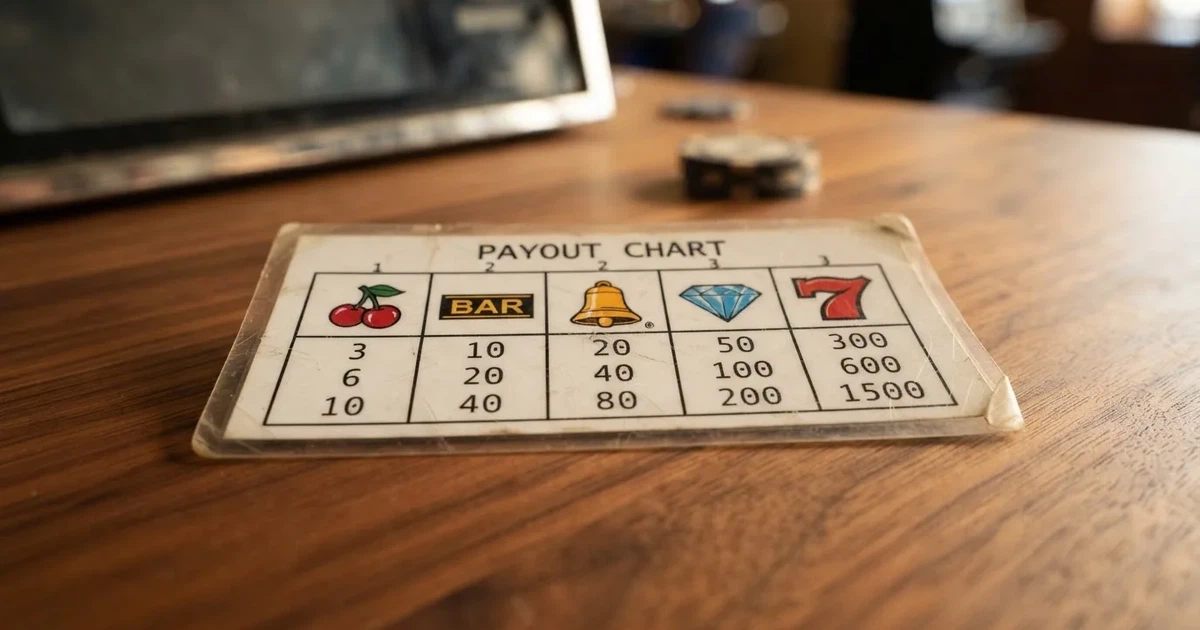
- What a Booongo paytable actually tells a reader
- The brands the ACMA has acted against
- What the comparison actually weighs
- What the ACMA has actually done, in numbers
- The legal frame around an offshore Booongo casino
- What the offshore caveat actually means in practice
- Where this leaves an Australian reader in 2026
- Frequently asked questions
Help is here before anything else
A reader who is here at all is already thinking about gambling money. That is the place to start, because the responsible-gaming backstop in Australia is the one part of this market that works as advertised. If anything on this page lands close enough to feel like a green light, the right next move is the one that has nothing to do with the search.

Gambling Help Online runs a free 24/7 chat and phone service staffed by counsellors across the country. The number is 1800 858 858. The web side handles live chat, email, and a callback booking form, and the same service can put a reader in touch with financial counselling, legal advice and peer support in their own state or territory. The helpline is not a complaints line and not a regulator — it is a service for the person who picks up, with no record passed to a bank, an employer or a licensing body.
BetStop, the National Self-Exclusion Register, sits beside the helpline. Since August 2023 it has let a person bar themselves from every Australian-licensed online and phone wagering service at once, for a period of their choosing. The mechanism binds licensed Australian operators only, which means it cannot reach an offshore casino running Booongo content. That limitation matters and is worth saying plainly: signing up with BetStop does not stop a Curaçao-licensed brand from accepting a deposit from the same person. Anyone who is registering with BetStop to control offshore play needs to know what it does and what it does not do.
The third layer is the bank and the wallet. A person who has decided to step back can ask their bank to block gambling transactions at the card level, set a daily transfer cap, or freeze new payees. These are blunt instruments, and the offshore casino the bank has never heard of is the place they blunt fastest. None of this requires a regulator’s permission, and none of it appears on a credit file.
Two reader situations are worth naming. A reader who is here as research, writing about the market or comparing it to a regulated jurisdiction, needs no help line and needs no register — the rest of the page is built for that reader. A reader who is here because a bonus felt too good to leave alone is in a different situation, and the helpline is the first useful number on the page, not the last.
Paying an offshore casino and getting paid back
The money side of Booongo play in Australia is shaped by two facts. The first is that no local bank routes to a licensed Australian online casino, because none exists. The second is that the rules the Australian government has laid down for licensed online wagering — no credit cards, no crypto, no credit-related products — apply to licensed operators and to nothing else, so an offshore site is free to ignore them. The result is a payment surface that looks generous and behaves like a foreign bank account.

What an Australian player is actually depositing into
A deposit at an offshore Booongo casino moves through the same plumbing as a purchase from an overseas merchant. The site’s cashier names a method — Visa, Mastercard, a wallet like Skrill or Neteller, an e-voucher like Neosurf or Paysafecard, a crypto rail like Bitcoin or Tether, sometimes a direct bank wire — and the player funds it from an Australian debit card, a PayID transfer or a wallet balance. The transaction is processed offshore, in a currency that is often US dollars or euros, and the player’s bank statement shows the merchant descriptor the offshore operator has registered, which is rarely the casino name.
That last point does real work. A statement that reads only “Global Payment Solutions Ltd” or “Curacao Processing Services” hides which site took the money, and the bank’s gambling-transaction block — where a customer has set one — typically fires on merchant category codes, which an offshore site may not carry. A reader who has set up a gambling block at the bank and finds it not firing on these deposits is seeing the block do exactly what it was designed to do against the operators it was designed against, which is licensed Australian wagering, not offshore casinos.
The legal deposit routes inside Australia’s licensed wagering system are debit card, bank transfer, PayID and Osko, and BPAY. The Illegal Gambling Enforcement Authority’s prohibition on credit cards, credit-related products and digital currency for online wagering came into force on 11 June 2024, with penalties of up to $247,500 for the operator. None of this binds an offshore site. A reader using a credit card or a stablecoin to fund a Booongo casino is not breaking Australian law — the IGA targets the provider, not the player — but is paying a fee the licensed market was built to ban, with no consumer protection on the other side.
What a withdrawal actually looks like
Withdrawal is where the gap between marketing and reality opens widest. An offshore site advertises a payout window — “instant”, “within 24 hours”, “1–3 business days” — and the figure is usually real for the operator’s fastest route to its fastest processor. The player-side delay comes after that: an international bank wire takes one to four business days to clear into an Australian account once the operator has released it, and the receiving bank may bounce the wire back if the originating merchant descriptor looks ambiguous, which costs another week. A Bitcoin or Tether payout clears faster on the chain but spends longer on the exchange side, because the player has to move it through a local exchange to AUD, and the exchange will want identity documents for any amount over a low threshold.
Three conditions bite here. The first is the bonus’s max-cashout rule, which caps how much of a bonus balance can be withdrawn at all — a $200 win from a bonus balance is not always withdrawable in full even after the wagering requirement is met. The second is the site’s stated minimum withdrawal, which can sit above the balance a player actually holds. The third is the dormant-account rule, where a balance that has not been touched for a set period is forfeit — and a player whose access has been blocked by an Australian ISP is exactly the player who cannot log in to move it.
There is no Australian complaints body for any of this. The site’s own licence — usually Curaçao, sometimes Anjouan — sits with an authority that does not take individual complaints. A player who is refused a payout from an offshore Booongo casino has, in practical terms, no recourse beyond the site’s own support team and the small-card-mate threat of a chargeback through the issuing bank, which the bank may or may not honour depending on its own policies on gambling disputes.
What a Booongo bonus looks like in plain terms
The bonus side of the page is the part an Australian reader is most likely to be searching for, and the part that gives the least back. A “Booongo casino bonus” or “free spins” offer attached to an Australian-facing site is, by definition, attached to an offshore site the ACMA has already warned or blocked, and the offer itself is the marketing hook on a venue the player has no protection in. Describing what such an offer looks like is still useful: a reader who meets one in the wild has a better chance of reading it correctly.
Welcome packages and what they actually require
A welcome package at a Booongo-carrying offshore casino is almost always a multi-deposit structure. The first deposit earns the headline percentage — “100% up to A$500” or “200% up to €300” — and the second, third and fourth deposits earn smaller percentages with smaller caps. The package can also bundle free spins on named Booongo titles, usually 3 Pots of Egypt, Sun of Egypt 4 or another Hold and Win variant. The marketing sentence that follows the headline is the one to read, because it carries the conditions.
The wagering multiplier is the load-bearing number. It sits at 35x, 40x or 45x the bonus amount in the typical Booongo-carrying offer, occasionally higher. A A$200 first-deposit bonus at 40x means the player must place $8,000 in qualifying wagers before any of the bonus balance becomes withdrawable, and the playthrough rule almost always applies to the bonus plus the deposit, not to the bonus alone. The slots that count toward the wagering requirement are listed in the bonus terms, and not every slot counts fully — table games, live dealer and a long list of “excluded” titles contribute nothing, and some contribute at 5% or 10%. The maximum bet during the playthrough is capped — usually A$5 to A$10 per spin — and breaching the cap voids the bonus and the winnings attached to it.
The win cap is the part most players miss. Many offshore bonuses cap the withdrawable winnings from a free-spin or no-deposit bundle at a small multiple of the bonus, and the cash-out window for completing the wagering is short — often seven days for free spins, thirty days for a deposit bonus. A reader who accepts a bonus without reading these four conditions — wagering multiplier, game contribution, max bet, win cap — is not playing the game they think they are.
Free spins and the no-deposit hook
Free spins and no-deposit bonuses are the second tier of the marketing offer, and they look the most generous on the page. The mechanics are the same as a deposit bonus — wagering requirement, max-cashout cap, short window, restricted games — but the multiplier is higher, the cap is lower, and the win cap is usually the binding constraint. A 50-free-spin bundle on a Booongo Hold and Win title at 50x wagering with a A$100 cash-out cap and a 24-hour completion window is a small arithmetic exercise, not a gift.
The reader who takes one of these offers is also taking on a second risk: the no-deposit bonus is the route an offshore site uses to confirm a real account holder, and the email address, phone number and payment details that follow are exactly the personal data the site was hoping to capture. A reader using a separate email and a payment method they are prepared to lose is not overthinking it.
What the bonus actually costs
The arithmetic of a bonus is the part the marketing never spells out. A A$200 deposit bonus at 40x wagering on a slot with a 96% RTP produces an expected loss of about $320 over the playthrough, on $8,000 in qualifying wagers. The bonus itself contributes $200 to the playable balance, and the rest of the loss comes out of the deposit. The net position at the end of a clean playthrough is roughly the deposit minus the expected loss, with the bonus already spent, and the player who runs out of balance before the wagering is complete loses both the deposit and any winnings attached to it. The expected loss is an average over many spins, not a guarantee for any single session — the player who hits the wagering requirement on spin 41 has had a very different session from the player who did not, but the average is what the page can show.
The plain-language reading: a 40x wagering bonus on a 96% slot costs about 40% of the playthrough in expected house edge, plus the loss on the deposit funds, and the bonus contributes a small fraction of the playable balance. That is the offer on its own terms, before any cap, window or game-weight rule is applied.
What Booongo mobile play involves without an app to install
A “Booongo casino app” is what an Australian reader sometimes searches for, and the answer is that there is no app to install — and that the offshore site the reader ends up at has one anyway, and is not the kind of app the reader wants on the phone.
How a mobile browser version works
The modern Booongo catalogue is built in HTML5, which means the games run inside the mobile browser the player is already using — Safari on iPhone, Chrome on Android — without a separate download. The site scales to the phone’s screen, the reels reflow to portrait, the cashier fits a touch keyboard, and the same account balance carries across from the desktop session. The technical experience is, in most cases, indistinguishable from a native app: load times are short on a recent phone, the games cache assets between spins, and the cashier’s payment methods do not change shape between form factors.
What changes is the operating context. A native app that the user installed sits on the home screen, requests its own permissions, and is reviewed by Apple’s App Store and Google Play. A mobile browser version opens from a bookmark or a link in an email, sits inside Safari or Chrome, and inherits only the browser’s permissions. The home-screen bookmark is also harder to find, harder to forget about, and easier to remove in a quiet moment — which is not a small thing if the bookmark was a problem in the first place.
Why the App Store angle is closed
Apple and Google do not allow real-money casino apps that target Australian users into their stores. The Play Store policy treats offshore casino apps as restricted content for AU distribution, and the App Store policy on real-money gambling apps requires a separate AU-facing filing the offshore operators do not file. The result is that the “Booongo casino app” an Australian reader is offered, when one is offered, is either a Progressive Web App that bypasses the store entirely or a sideloaded APK from the operator’s own site. Both routes put the install decision outside any review the player might otherwise rely on.
The sideloaded APK is the route to watch. An Android package file from an offshore operator is not scanned by Google Play Protect the way a Play Store install is, and the permission list it carries — network access, storage, sometimes device ID, sometimes accessibility services — is whatever the operator’s developer chose to request. A reader installing one is trusting the operator’s own terms of service with the same data the App Store review would normally ask about.
What the player sees that is the same as desktop
The mobile cashier is the surface area where the offshore-versus-licensed gap shows. The deposit methods are the same as on desktop — Visa, Mastercard, Skrill, Neteller, crypto, occasionally a local option like POLi for AUD — and the withdrawal flow is the same, including the merchant descriptor on the bank statement. The bonus terms are the same. The responsible-gaming tools that exist on the licensed Australian wagering market — deposit limits that are set by the regulator, time-out reminders, BetStop integration — are not present, because the site is not on BetStop. A reader who set a weekly deposit cap at a licensed bookmaker and is now playing at an offshore site has lost that cap the moment they switched browsers.
What a Booongo paytable actually tells a reader
The paytable is the part of a slot that operators do not show in marketing copy and that players read least often. For a reader who is here because they searched for Booongo specifically — because the studio name read as a mark of quality — it is also the most useful thing the page can lay out.
The shape of a typical Booongo slot
The Booongo catalogue is best known for the Hold and Win mechanic, which sits underneath titles like 3 Pots of Egypt, Sun of Egypt 4, 3 Hot Chillies and Coin Up: Lightning. The structure is a five-reel, three-row grid with around twenty-five paylines, a free-spins round triggered by three or more scatter symbols, and a Hold and Win bonus that opens when six or more coin symbols land in a single spin. The bonus round plays out on a separate reel set where the triggering coins lock in place and the player respins to land more coins, with three respins reset on each new coin. The round ends when the respins run out or the entire grid fills, and the cash values attached to the locked coins pay out at the end.
The maths behind that structure is what the studio tunes. The published return-to-player figure on a typical Booongo title sits in the mid-90s — 95% to 96.5% is the band — and the volatility is usually classed as medium to high. A medium-to-high volatility slot pays less often and in larger chunks when it does, which is the shape the Hold and Win bonus creates by design: long stretches of small or no wins, interrupted by a coin-heavy spin that triggers the bonus and a bonus round that either fills the grid for the top payout or runs out after a few respins.
What the symbols are worth
The paytable splits into three blocks. The high-value symbols are theme-specific — a pharaoh’s mask, a scarab, a flaming chilli, a Greek deity — and pay 10x to 50x the line bet for five of a kind. The mid-value symbols are the playing-card royals — A, K, Q, J, sometimes 10 — and pay 2x to 6x the line bet for five of a kind. The scatter symbol pays in any position and triggers the free-spins round at three or more; the wild substitutes for everything except the scatter and the bonus coin. The bonus coin is what the Hold and Win round reads, and the values attached to it are the multipliers or fixed cash amounts that fill the grid during the bonus.
The line bet is the multiplier every payout runs against. A 25-line slot at A$0.01 per line is a A$0.25 spin; the same slot at A$0.10 per line is a A$2.50 spin. The paytable’s top payout is expressed as a multiple of the line bet — 500x, 1,000x, the top jackpot — which is a useful number to read because it tells the player the maximum win from a single paid combination, not the maximum balance the player can walk away with.
How an Australian reader should read a paytable they cannot play
A paytable on an offshore site’s game preview is the same document the licensed operator would show. The maths is the maths — the RTP, the volatility, the bonus structure, the line-bet multiples — and the studio’s name on the page is the studio’s name on the licence. The site that wraps it, the cashier that funds it, and the complaint body that handles a dispute are the layers around the paytable, and those layers are what change between a regulated market and an offshore one. A reader reading a Booongo paytable on a Curaçao-licensed brand is reading the maths correctly and the rest of the page wrongly, and that is the gap the rest of this article keeps pointing at.
The brands the ACMA has acted against
The table below is not a ranking and not a recommendation. It is the ACMA’s own warning list, with the date and the operator named on each formal warning and what the research carries about each brand’s published game catalogue. Every brand on this list is an offshore site offering online casino games or online pokies to people in Australia, which the Interactive Gambling Act 2001 makes a prohibited interactive gambling service. None of them is licensed to take an Australian deposit.
The column set here carries what the comparison can actually be made of: the brand, the ACMA action and the date the ACMA published it, the operator the ACMA named, and the subject support the brand’s own published material carries for the content an Australian reader might be searching under. A dash means the research carries no figure for that cell, and writing a dash is the honest answer.
| Brand | ACMA action and date | Operator named by the ACMA | Subject support |
|---|---|---|---|
| RocketPlay | Formal warning, March 2026 | Pulsup Ltd | — |
| Level Up Casino | Formal warning, May 2022 | Dama N.V. | Listed on Wazdan.com as a partner venue |
| Woo Casino | Formal warning, March 2025 | Dama N.V. | — |
| Spirit Casino | Formal warning, May 2025 | Dama N.V. | — |
| National Casino | Formal warning, July 2025 | Consolutetish S.R.L. | Listed on Betsoft.com, en.wikipedia.org and Pragmaticplay.com as a partner venue |
| Bizzo Casino | Formal warning, July 2025; earlier warning, 2022 | Consolutetish S.R.L.; earlier TechSolutions | — |
| Ignition Casino | Formal warning, July 2025 | Bamboo Media | — |
| Instant Casino | Formal warning, February 2025 | EOD Code SRL | — |
| Jackbit | Formal warning, April 2026 | Ryker B.V. | — |
| Casino Intense | Formal warning, April 2025 | Sterplay Holding Ltd | Listed on 1spin4win, en.wikipedia.org and gamblingcommission.gov.uk as a partner venue |
| Sky Crown | Formal warning, September 2022 | Hollycorn N.V. | — |
RocketPlay
The ACMA’s March 2026 formal warning named Pulsup Ltd as the operator behind Rocketplay.com.au. A separate 2022 warning had already named Dama N.V. over a different Rocketplay brand, which is the kind of recurrence the register publishes rather than glosses. RocketPlay is one of the few brands on the list where the ACMA has named an Australian-facing domain, which means a reader who arrived at the site through a search result has hit the warning the ACMA meant them to hit. The brand’s own published material carries no specific figure for Booongo content, and the page treats that as the honest answer. Worth knowing for: no Australian reader; the page includes it because the ACMA acted on it.
Level Up Casino
The ACMA’s May 2022 warning named Dama N.V. over Level Up alongside five other Dama brands, in the same enforcement round. The brand is listed as a partner venue on Wazdan’s published site list, which means Level Up’s own marketing carries Wazdan as a selling point — not Booongo specifically, and not anything that places it inside the Australian licensing frame. The takeaway is the gap between the studio logos the site displays and the operator the ACMA named. Worth knowing for: the same reader who would have noticed Level Up before the 2022 warning.
Woo Casino
The ACMA issued its March 2025 warning to Dama N.V. over Woo Casino, two and a half years after the same operator’s first round of warnings. The pattern matters because Dama N.V. is one of the most repeated operator names on the ACMA’s warning list, and a reader who recognises the operator rather than the brand has read the warning correctly. Woo’s own published material carries no specific figure for Booongo content, and the page treats that as the honest answer. Worth knowing for: no Australian reader; included because the ACMA acted on it.
Spirit Casino
The ACMA’s May 2025 warning named Dama N.V. again, this time over Spirit Casino. The site is the same operator-facing structure as Woo Casino, with the same offshore Curaçao licence and the same payment surface. The interesting thing here is the operator rotation: when one Dama brand is warned, the same content tends to reappear under a new name within months, which is why the warning list runs longer than the operator count. The record shows Spirit Casino appearing alongside Woo Casino in the same warnings, a common feature of Dama-operated brands.
National Casino
The ACMA’s July 2025 warning named Consolutetish S.R.L. over National Casino, alongside Bizzo Casino. National Casino is the brand on the list with the most published third-party studio coverage: it is listed on Betsoft.com, on Wikipedia, and on Pragmaticplay.com as a partner venue for those studios. The third-party listing is not a quality mark and not a licence — it is the studios’ published record of who has integrated their games, which is a different fact from who is allowed to take an Australian deposit. Worth knowing for: the reader who has already seen National Casino in marketing material and wants to know what the ACMA said about it.
Bizzo Casino
The ACMA’s July 2025 warning named Consolutetish S.R.L. over Bizzo Casino, with a 2022 warning to TechSolutions (CY) Group Limited and TechSolutions Group N.V. on file from earlier. The dual warning is the part the page keeps in view: a brand the ACMA has named twice is a brand whose operator has had the ACMA’s letter twice and continued anyway. Worth knowing for: the same reader who would have noticed Bizzo Casino before the 2022 warning.
Ignition Casino
The ACMA’s July 2025 warning named Bamboo Media over Ignition Casino, alongside National Casino and Bizzo Casino. Ignition’s branding leans hard on the poker-and-casino crossover that has kept it visible in affiliate marketing for years, and the ACMA action is one of the more recent entries on the list. Ignition’s branding remains visible in Australian affiliate channels, despite the clear warning the ACMA has placed against it.
Instant Casino
The ACMA’s February 2025 warning named EOD Code SRL over Instant Casino, one of the earliest 2025 entries on the warning list. The brand has been visible in Australian-facing affiliate marketing since before the warning, and the warning is the reason the brand sits on this page rather than in a ranking. This is a reminder that brand names are not an indicator of a site’s legal status or payout reliability.
Jackbit
The ACMA’s April 2026 warning named Ryker B.V. over Jackbit and CasinOK in the same enforcement round. Jackbit is one of the more crypto-forward brands on the list, which is exactly the category of brand the Australian licensed-wagering credit-and-crypto ban does not reach. The warning is the ACMA’s response to a payment surface that the licensed market was built to prohibit. Jackbit’s payment mix is the reason it appears on the ACMA’s warning list, as crypto-deposits remain prohibited for licensed AU wagering.
Casino Intense
The ACMA’s April 2025 warning named Sterplay Holding Ltd over Casino Intense. The brand is listed as a partner venue on 1spin4win, on Wikipedia, and on the UK Gambling Commission’s published register — which means the studio coverage is broader than the licensing position, and the page keeps the two straight. Worth knowing for: the reader who saw Casino Intense on a studio’s published partner list.
Sky Crown
The ACMA’s September 2022 warning named Hollycorn N.V. over Sky Crown and Blue Leo together, in one of the earlier 2022 entries on the warning list. Hollycorn is one of the operator names the ACMA returns to, and a reader who sees the operator name in a footer is reading a brand whose operator has been named more than once. Worth knowing for: the same reader who would have noticed Sky Crown before the 2022 warning.
What the comparison actually weighs
A fair comparison of Booongo-carrying brands for an Australian reader would weigh three things, and the page works through them rather than around them.
The first is licensing. None of the brands on the ACMA’s warning list is licensed to take an Australian deposit, because no brand anywhere is licensed to offer online casino games to a person physically in Australia. The licence a brand displays — Curaçao, Anjouan, the UK Gambling Commission where a 3 Oaks Gaming title reaches the platform — is a real licence, and it binds the operator to the rules of the jurisdiction that issued it. None of those rules reach an Australian player in an Australian living room. That is the floor, and it is the same floor under every brand on the list.
The second is payment surface. The brands that accept credit cards, crypto, or both are the brands furthest from the licensed Australian model, and the brands that accept only debit-and-bank routes are closer without ever arriving. A reader who is here because they searched under a “Bitcoin casino” framing has already drifted past the licensed market’s own prohibition on crypto for online wagering, and the brands that welcome that drift are the brands the ACMA has named.
The third is the studio catalogue. Booongo’s regulated-market successor, 3 Oaks Gaming, was granted a remote operating licence by the UK Gambling Commission on 9 February 2024 under licence number 063055-R-338209-005, and the MGA recognition notice on 4 August 2025. The titles that travel — Sun of Egypt 4, 3 Hot Chillies, Coin Up: Lightning — are the titles that reach UK- and Malta-licensed platforms through the same studio. On an offshore brand running under a Curaçao licence, the same titles are present without the same regulatory pathway, which means the maths is the maths and the protection is not.
The page’s own read is that the three weights cancel out to the same number under every brand on the list. None of them is licensed for the reader. None of them routes through a payment channel the reader’s bank recognises as licensed Australian wagering. None of them sits inside a complaint body the reader can reach. The differences between them are at the brand level — operator reputation, third-party studio coverage, payment-method mix — and the differences above that line, the ones the page would weigh if the products were comparable, are not.
What the ACMA has actually done, in numbers
The ACMA’s enforcement record is the only Australian-government-published measure of how the offshore market has responded to the prohibition. The headline number is the running total of blocked sites: 1,751 illegal gambling and affiliate marketing websites blocked since the first blocking request in November 2019, with more than 230 unlicensed gambling services having left the Australian market since enforcement was strengthened in 2017. The June 2026 enforcement round alone added 12 more sites to the block list: 7Signs, ChromaBet, Donbet, Duospin, Freshbet, Slots Gem, Jacks Club, Lucky Start, Pointsbetz.com, Spinrise, Vinyl Casino and Wildsino.
The blocking rate is the arithmetic the prescribed calculation asks for. Across roughly six years and nine months between the first blocking request in November 2019 and the most recent published total in June 2026, the ACMA moved from zero to 1,751 blocked sites — a band of about 200 to 210 blocks a year on average, with the round-by-round cadence varying from a handful of sites at a time to the larger sweeps of 2024 and 2025. The honest reading is the band, not the point: roughly two hundred blocks a year is the pace at which the regulator has been able to clear the visible front of the offshore market, and the offshore market’s response has been to reappear under new domains at roughly the same pace. The blocks are working at the domain level, and the operators behind the domains are not retreating.
The H2 Gambling Capital estimate for 2025 puts Australian losses to illegal gambling sites at about A$3.9 billion a year, with the share of gambling going through legal channels falling from 74% in 2021 to 64%. The trend line and the absolute number both point the same way: the offshore market is growing as a share of Australian play, and the enforcement record is not yet large enough to bend that line back. A reader who has decided to step back from gambling and is reading this section as part of that decision has already made the most useful move the page can name.
The legal frame around an offshore Booongo casino
The Interactive Gambling Act 2001, strengthened by the Interactive Gambling Amendment Act 2017, makes it an offence to provide online casino games, online pokies or in-play betting to a person physically in Australia. No state or territory issues a licence for any of these products, and no licence issued anywhere else reaches an Australian player. What is licensable is wagering on races and sport placed before the event, lotteries and keno — in practice, licensed by the Northern Territory Racing and Wagering Commission, which regulates 52 of Australia’s online bookmakers and has no full-time staff of its own, meeting once a month in Darwin.
The Interactive Gambling Amendment (Gambling Reform) Bill 2026 passed Parliament on 19 August 2026. Its advertising and inducement measures commence on 1 January 2027. Law with a start date, not yet in force on a page dated 2026. A reader who is reading this after 1 January 2027 should treat the inducement rules as live, including the parts that touch affiliate marketing and the parts that touch the brand’s own bonus terms.
The individual player is not prosecuted under the IGA. The Act targets the provider — the operator, the platform, the payment processor that knowingly handles the proceeds — and an Australian who plays at an offshore casino is not breaking Australian criminal law by playing. That fact is sometimes read as a green light, and it is not one. The offshore site gives no Australian consumer protection, no complaints body, no recourse if a withdrawal is refused, and no obligation to honour a bonus the way its marketing reads. The site can be blocked with a balance still on it, and the player has no Australian-side remedy to recover that balance.
The minimum age for any gambling product in Australia is 18. An offshore site does not verify Australian age the way a licensed Australian operator does, and the verification gap is one of the regulator’s recurring complaints. A reader under 18 reading this page is in the section that applies to them, and the section that applies to them is the responsible-gaming section above.
What the offshore caveat actually means in practice
The offshore caveat is the single line every other section ends on, and it is worth saying in full once. An offshore casino, including every brand on the ACMA’s warning list, runs on the rules of the jurisdiction that issued its licence, not on the rules of the Australian jurisdiction the player is sitting in. The payment methods, the bonus terms, the complaint procedure, the responsible-gaming tools, the self-exclusion register, the regulator’s power to compel a payout — all of these sit with the offshore regulator, and an Australian player has no Australian-side access to any of them. BetStop does not reach the site. The National Gambling Helpline does, and a reader who has hit a wall at an offshore cashier is the reader the helpline is for.
The corollary is the part the page keeps in view. A reader who is reading this page for the studio’s quality — who wants Booongo’s Hold and Win maths and is willing to play at an offshore site to get it — is making a real choice, and the page does not pretend the choice is not real. The maths is the same maths, the studio’s name is the studio’s name, and the licensed-market successor 3 Oaks Gaming is the path that reaches the same titles inside a regulated jurisdiction, including the UK and Malta. The licensed path does not reach an Australian player, and the offshore path does, and the gap between them is the gap the rest of this page has been describing.
Where this leaves an Australian reader in 2026
A reader who arrived at this page looking for a “best of” ranking is reading the wrong shape of page, and the page has spent its length saying so. The brands the search surfaces are the brands the regulator has warned, the bonus terms on those brands are the bonus terms the regulator has no jurisdiction over, and the payment surface is the payment surface the licensed market was built to prohibit. The studio at the centre of the search — Booongo, now operating under 3 Oaks Gaming in regulated markets — has a real catalogue and a real licence history, and neither of those reaches an Australian living room through any of the brands on the ACMA’s list.
A reader who arrived here from research rather than from a deposit intent has the rest of the page to work from: the ACMA’s blocking record, the H2 Gambling Capital estimate, the licensing structure in Australia and the operator names the regulator has returned to. The licensed Australian market covers sports and race wagering, lotteries and keno, and the licensed international market covers the same Booongo titles through the UK Gambling Commission and the Malta Gaming Authority. The offshore market is the only place the two meet for an Australian reader, and the page has described what that meeting looks like in detail.
The responsible-gaming backstop at the top of the page is the part that works regardless of the rest. Gambling Help Online, 1800 858 858, BetStop, the bank’s own card-level gambling block — these are the routes an Australian reader can use this week, this month, this year, with or without a casino account, and they are the routes the page keeps pointing back to.
Frequently asked questions
Is Booongo itself an online casino, or a studio that supplies games to sites?
Booongo is a slot studio, not an operator. The studio developed and released games under the Booongo brand and restructured in 2021; the regulated-market successor, 3 Oaks Gaming, was granted a UK Gambling Commission remote operating licence on 9 February 2024 and an MGA recognition notice on 4 August 2025. The studios supply titles such as Sun of Egypt 4, 3 Hot Chillies and Coin Up: Lightning to operators; the operators run the cashier, the bonus terms and the licence.
Can an Australian play Booongo titles at any locally licensed venue?
No. Online casino games and online pokies cannot be licensed anywhere in Australia under the Interactive Gambling Act 2001. No state or territory issues a licence for them, and no venue is licensable to offer them. Booongo titles reach an Australian player only through offshore sites operating outside Australian law, which is the category of site the ACMA has been warning and blocking since 2017.
What does a Booongo paytable look like compared with other studios’ games?
The Booongo catalogue is built around the Hold and Win mechanic on a five-reel, three-row grid with around 25 paylines, a free-spins round at three scatters, and a coin-triggered bonus round that respins to fill the grid. Published return-to-player figures sit in the mid-90s, with volatility classed as medium to high. The shape is the same on every Hold and Win title in the catalogue; the theme and the symbol values change between Sun of Egypt, 3 Pots of Egypt, 3 Hot Chillies and the rest.
Does Booongo run its own casino, or does it license games to other brands?
Booongo licenses its games to operators. The studio has never run an end-customer casino under its own name, and the regulated-market successor 3 Oaks Gaming operates the same way — as a B2B supplier. The brands an Australian reader meets in search results are operators running the studio’s games under their own licence and their own cashier, and the ACMA’s warning list is a list of operators, not of studios.
Why do offshore casinos promote Booongo titles to Australian visitors?
The studio’s name reads as a quality mark in marketing copy, and offshore operators use studio names the way licensed operators use licence badges — as a trust signal the reader is meant to recognise without checking. The trust signal does not transfer: the studio’s UK Gambling Commission licence and MGA recognition notice are the studio’s, not the operator’s, and the operator’s licence is the only one that binds the cashier. The brands on the ACMA’s warning list are the operators that have used that trust signal hardest in Australian-facing marketing.
Is it legal for an offshore site to offer Booongo games to a person in Australia?
It is an offence under the Interactive Gambling Act 2001 for the operator to offer online casino games to a person in Australia. The ACMA enforces the prohibition by issuing formal warnings and directing Australian ISPs to block the offending sites. The individual player is not prosecuted for playing, but the offshore site gives no Australian consumer protection, no complaints body and no recourse if a withdrawal is refused, and it can be blocked with a balance still on it.